FYNO FOR BUSINESS
Customer communications that grow the business
Built for CEOs, leadership at banks, NBFCs, insurance, and large fintechs.


.webp)






.svg)
.svg)


.svg)

.webp)


.svg)
.svg)


Customer communications should grow the P&L, not drain it.
What's costing your business today?
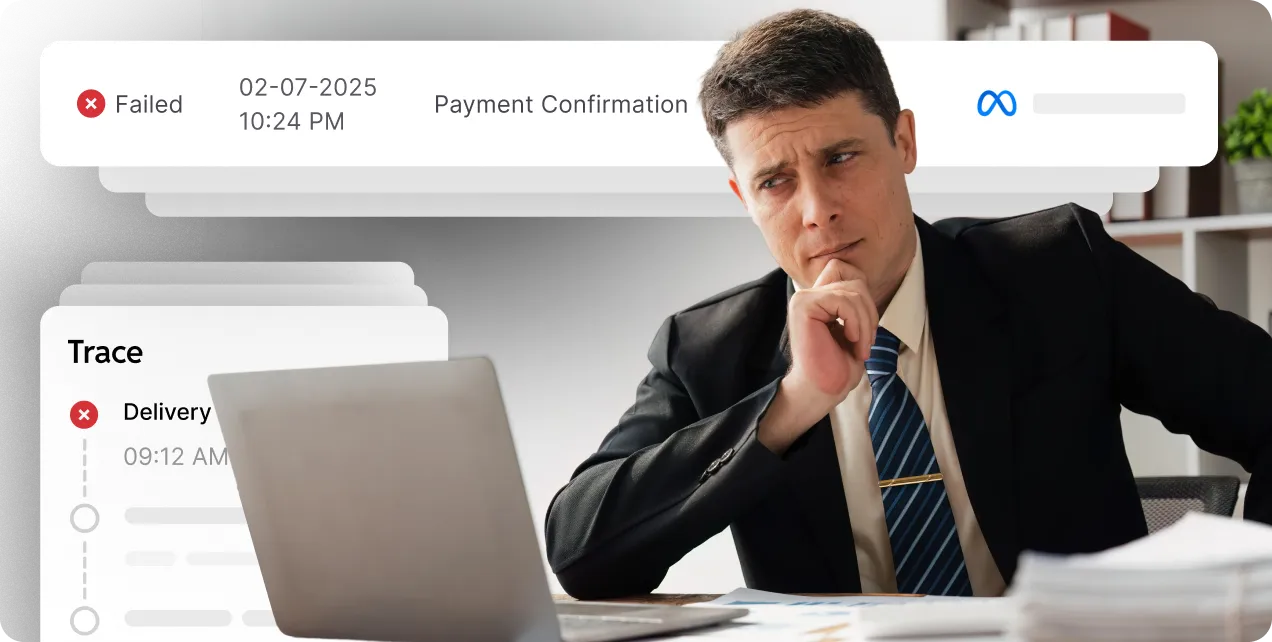
Eroding brand trust in failed sends
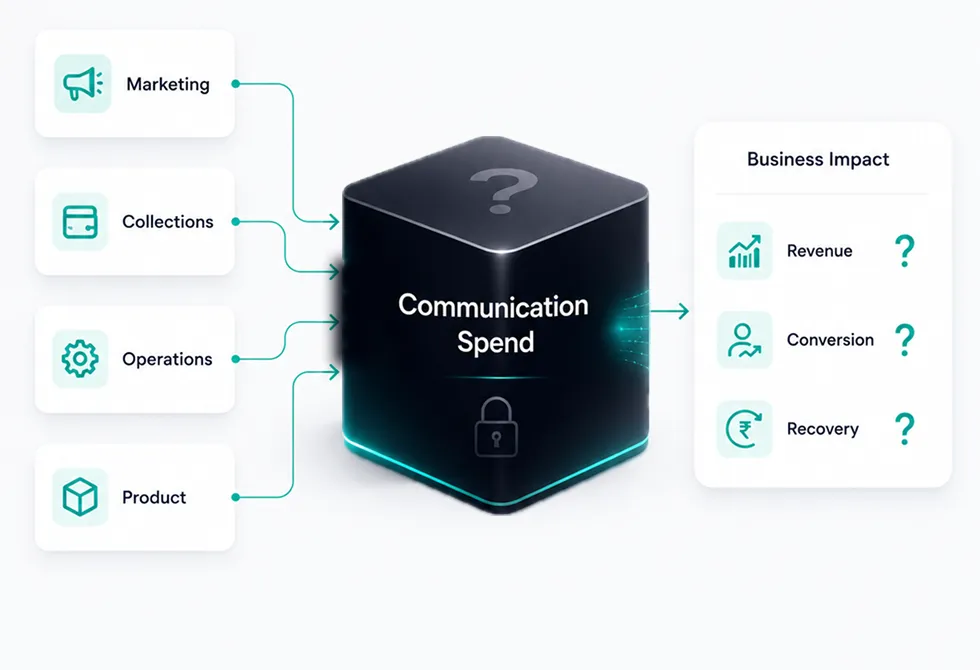
Blackbox on Comms Spends ROI
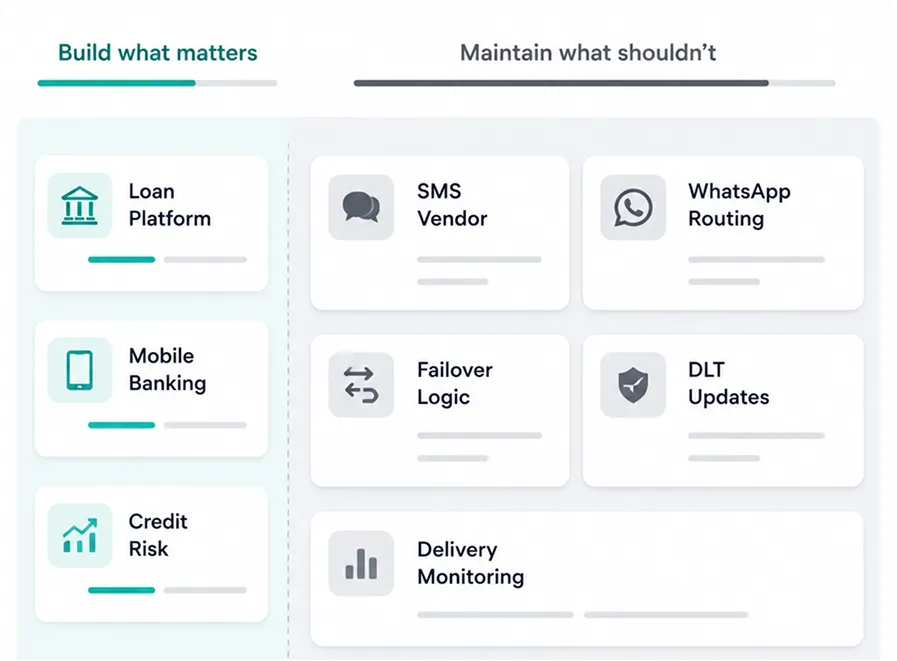
Build vs buy never settles
Compliance risk grows with volume
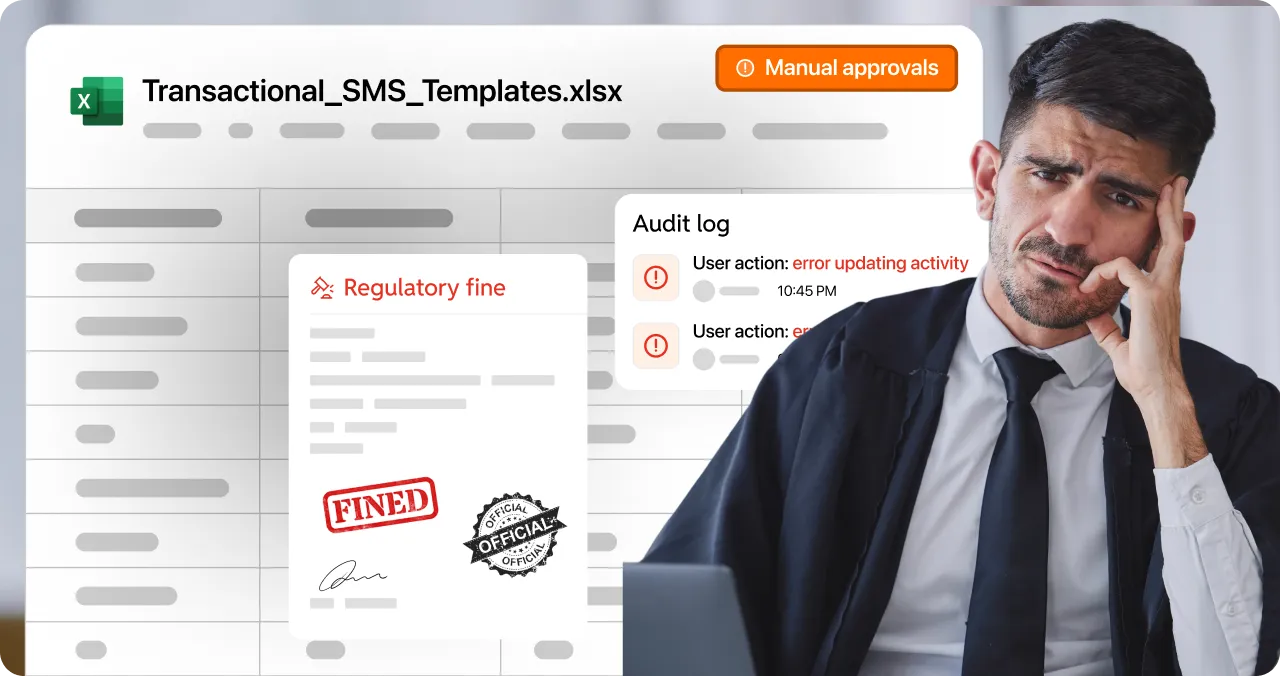
Customer experience is inconsistent across teams and products
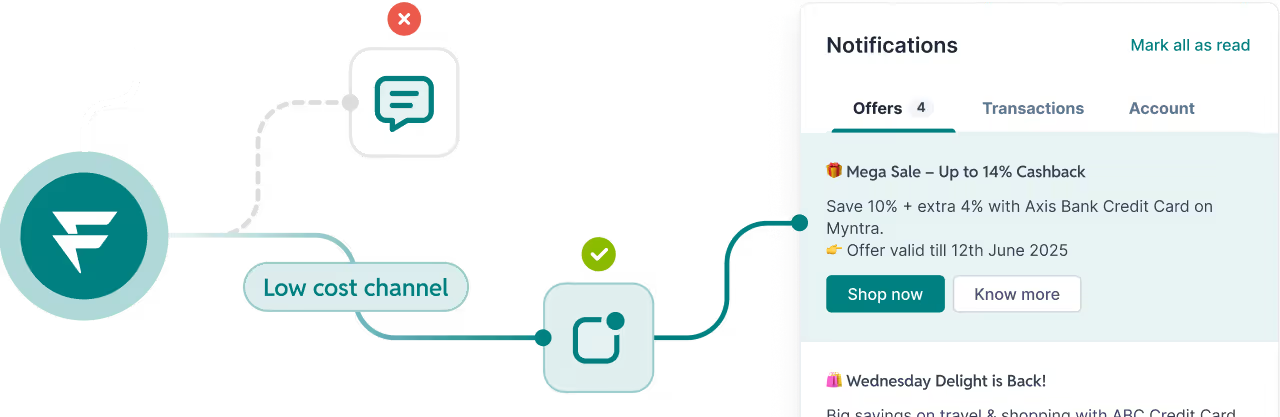
Here’s how Fyno helps the business
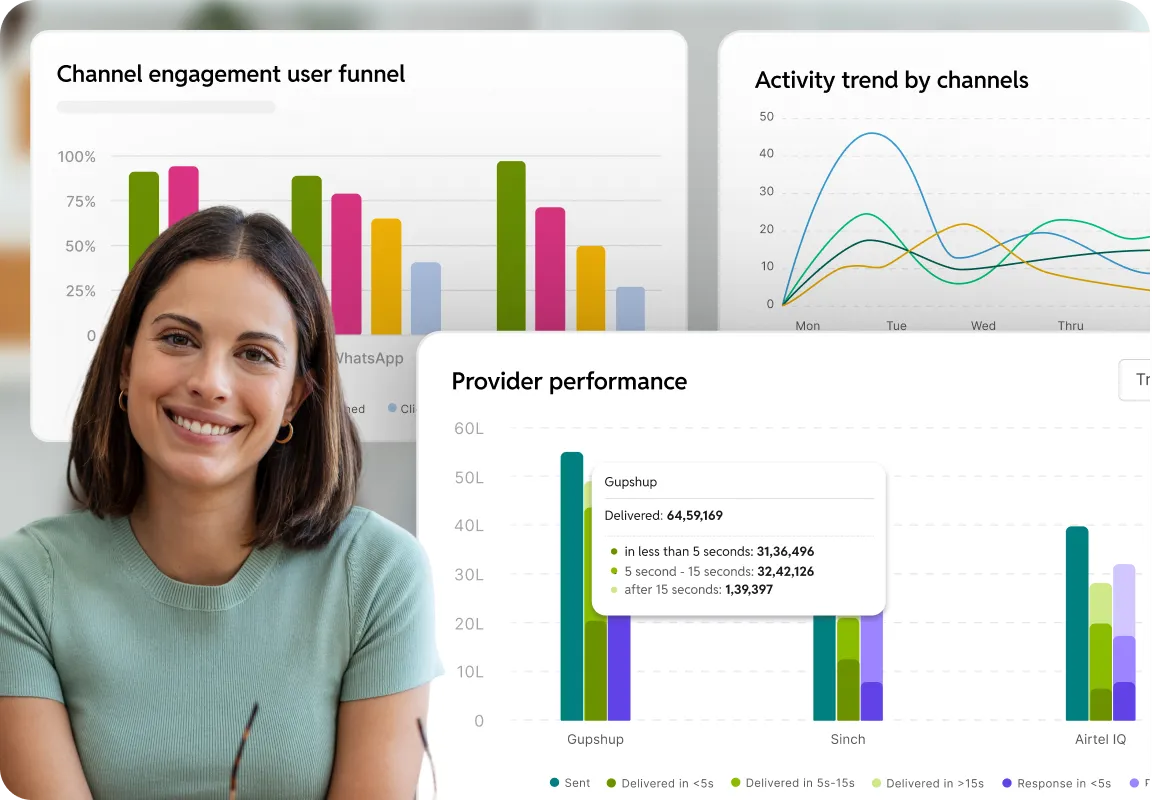
Real-time visibility on Comms ROI
Unified analytics across SMS, WhatsApp, email, push, and RCS. Spend and conversion attributed by campaign, channel, and vendor.
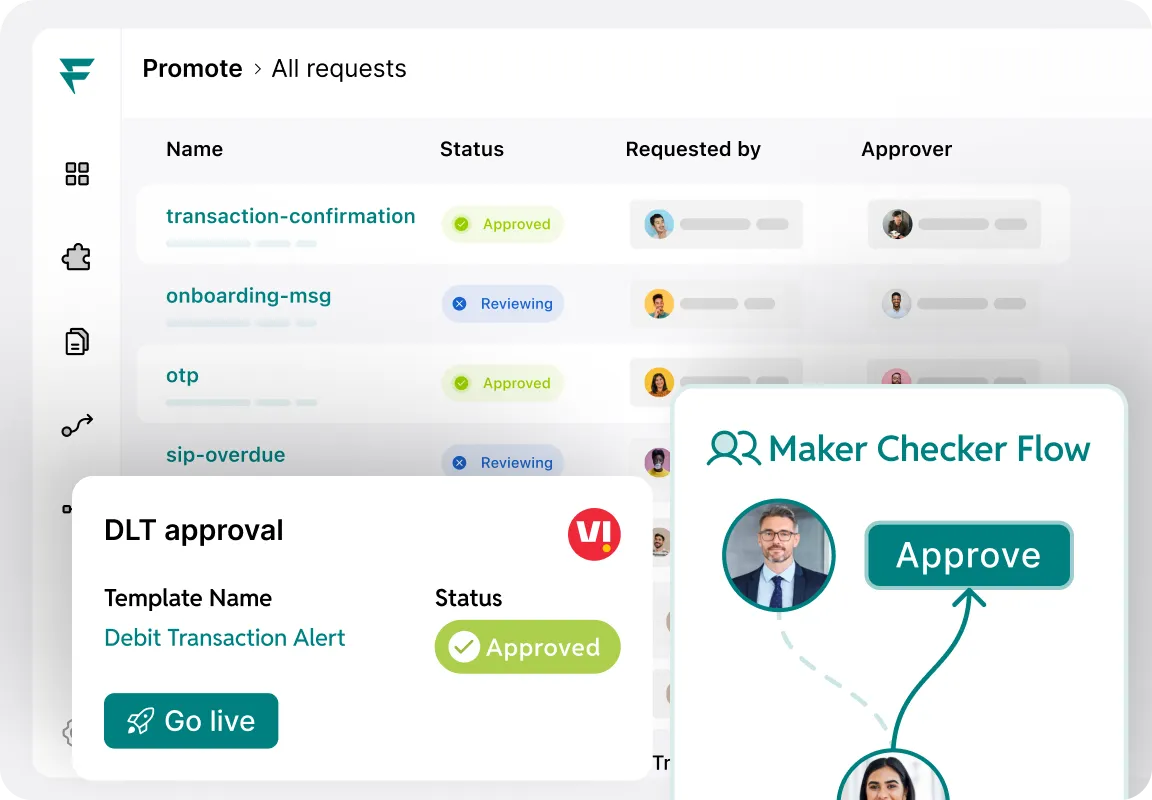
Governance managed before send
Template governance, maker-checker, and DLT compliance enforced before any message ships. Checks put in place for avoiding human error.
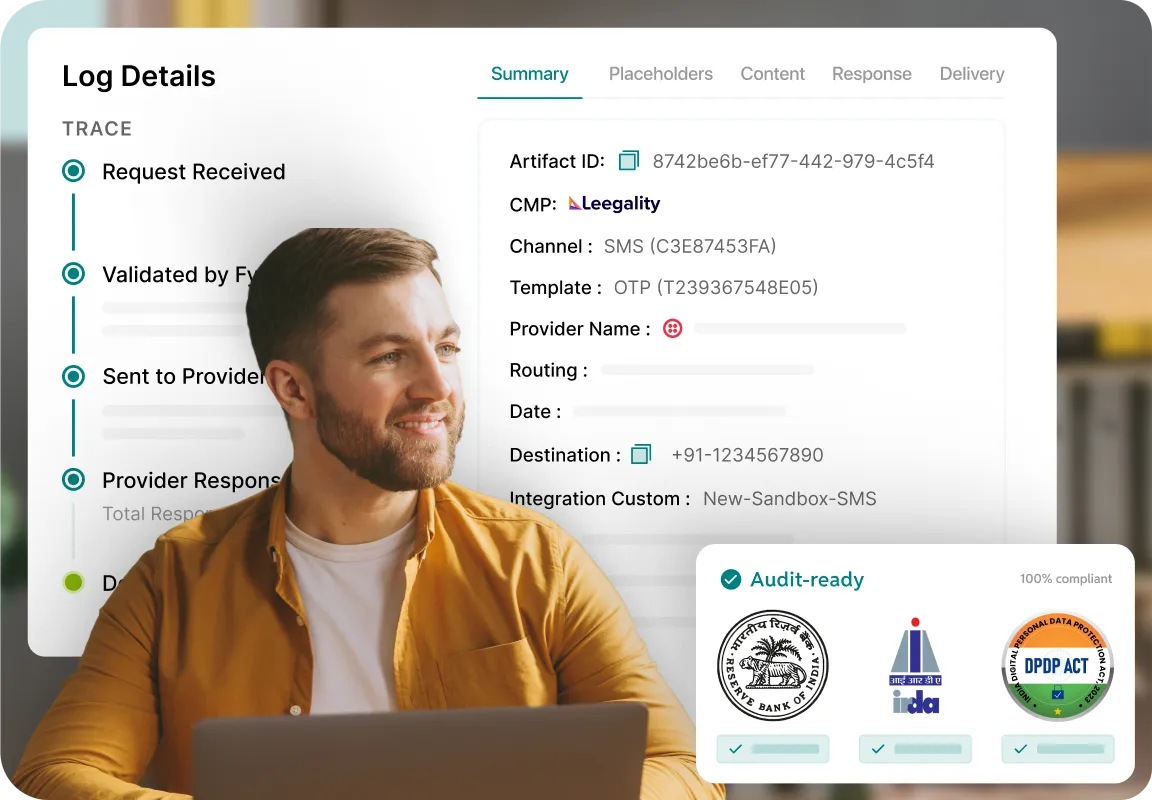
Audit-ready compliance by default
Every send logged with consent artefact, template version, vendor, and outcome. One log answers any RBI, IRDAI, or DPDP inquiry without rebuilding it from emails.
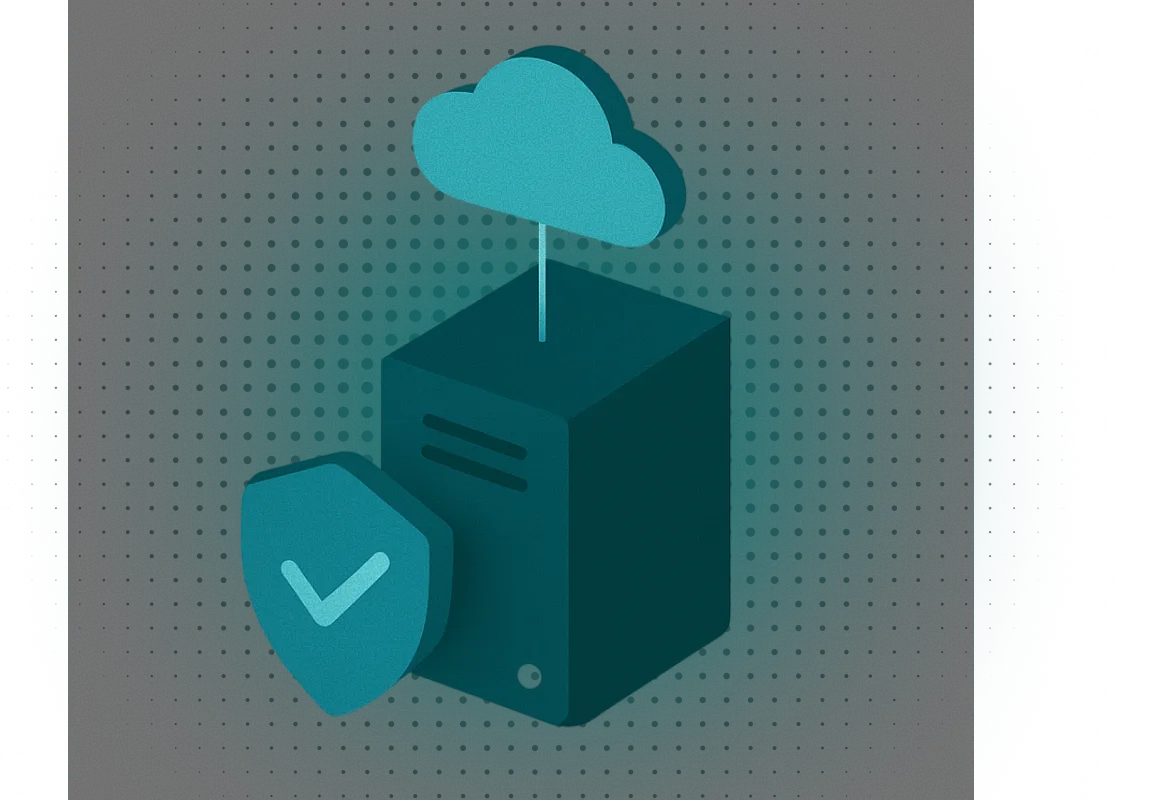
Everything on-prem or your cloud
Your engineering team builds the business. Fyno runs the customer communications infrastructure in your premise or cloud like an extended team.
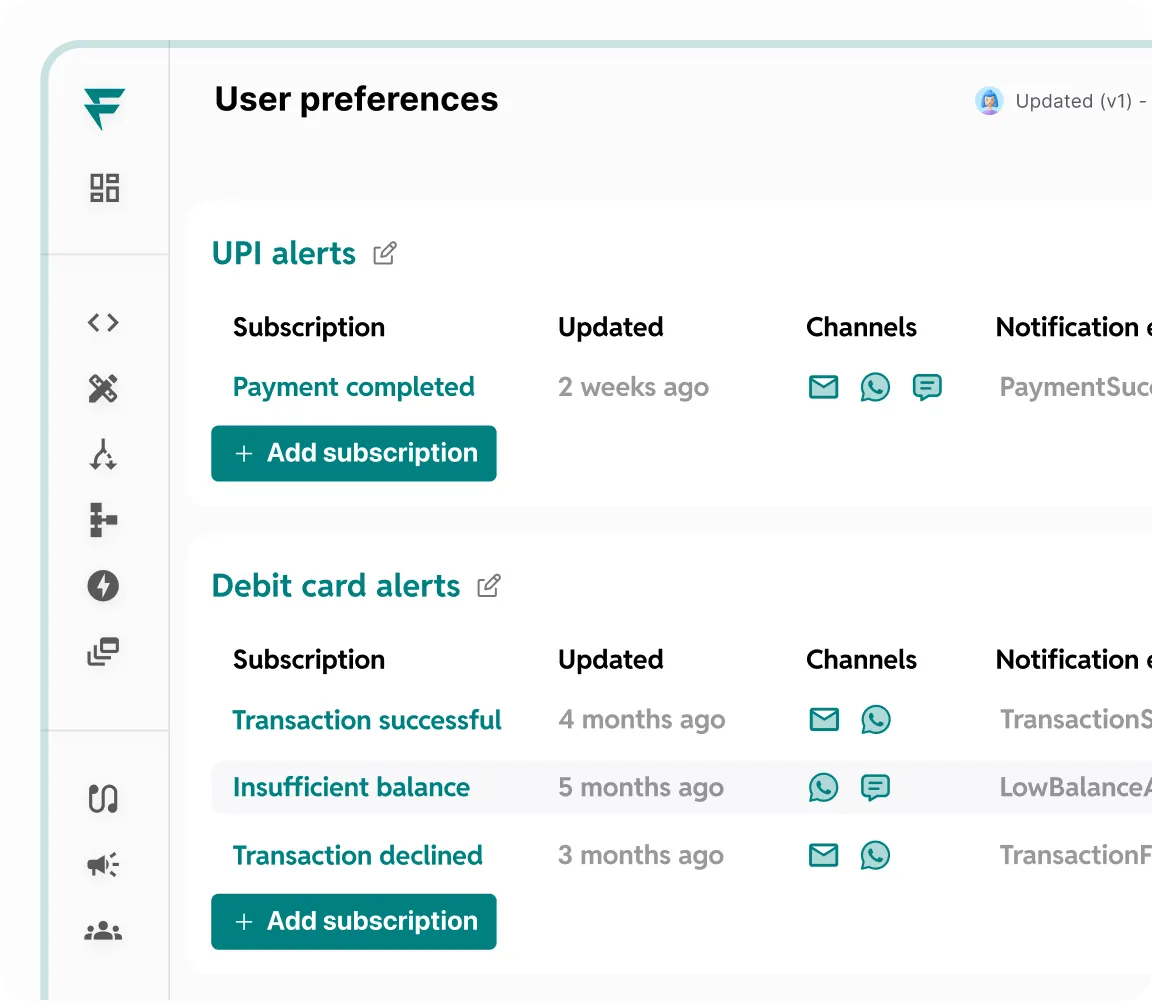
Customer experience as a moat
Frequency caps, preference management, and intelligent routing protect the customer relationship across every team and product line.
Find the answers that you need
For a BFSI enterprise, customer communications is the single largest customer touchpoint and one of the largest line items on the operations P&L. Most BFSI businesses spend between 50 and 500 crore annually on SMS, WhatsApp, email, push, RCS, and voice across all business units. That spend rises 15 to 20 percent year on year as UPI volumes grow. The complaints generated by failed comms reach the board. The regulator reviews comms compliance directly. The customer experience built or broken by these messages drives LTV. None of that is purely an IT concern. The CEO and leadership team need visibility into spend, brand control, compliance posture, and customer experience as one continuous view.
Fyno reduces total cost of ownership across three lines. First, vendor consolidation: a single platform replaces a stack of CPaaS scripts, CCM tools, and internal middleware, removing duplicate licence and integration costs. Second, route builder: every message routes through the cheapest vendor that still meets the delivery SLA, in real time, with no manual switching. Most banks and NBFCs see 15 to 30 percent reduction on SMS and WhatsApp spend within the first two billing cycles. Third, engineering opportunity cost: your engineering team stops building notification microservices, vendor failover logic, and DLT compliance scripts, and gets that bandwidth back. Combined TCO reduction in year one typically lands at 20 to 30 percent across BFSI deployments.
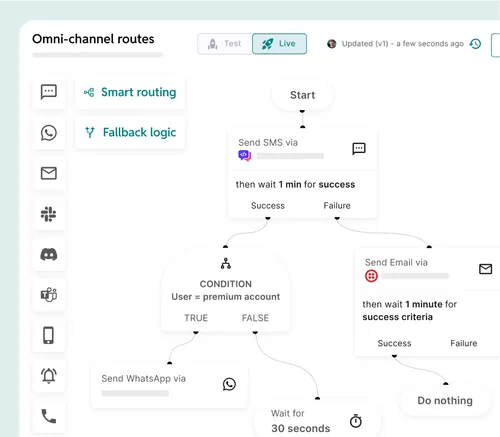
Brand risk lives in the gaps between teams. Marketing sends a promotional template that wasn't reviewed by legal. Collections triggers a recovery message to a customer who paid yesterday. Ops sends an OTP through a fraud-flagged sender ID. Fyno closes those gaps with three controls. Template governance: every template moves through draft, review, and approval before any send. Maker-checker enforced across marketing, compliance, and ops. Frequency caps and preference management: a customer who opted out of marketing on WhatsApp can't be reached by a marketing template, regardless of which team triggers it. Intelligent routing: messages route through vendors that have proven deliverability, not the cheapest by default. Brand-degrading sends are blocked at the platform, not corrected after the complaint.
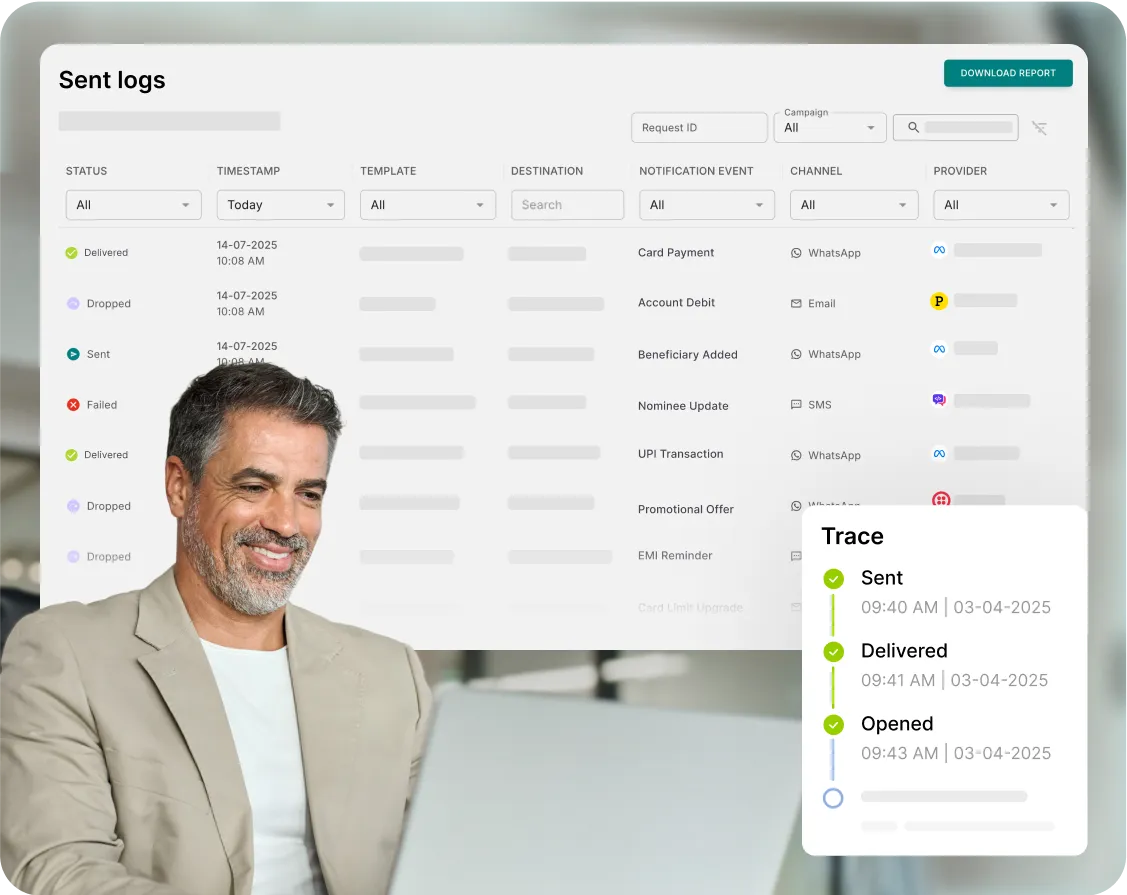
A regulator inquiry from the RBI, IRDAI, or DPDP Board can land at any time. The question is usually narrow: who consented to receive this message, when, on which channel, with what content, through which vendor, and what was the delivery outcome. Most BFSI stacks can't produce a clean answer because the data sits across the CMP, CDP, vendor portal, and an email thread of approvals. Fyno produces a single timestamped log for every send: consent artefact ID, template version, sender ID, vendor used, delivery status, and customer ID. That log is queryable, exportable, and retained per your regulatory policy. The auditor's question becomes a search, not a reconstruction project.
Every two to three years, a senior tech leader at a BFSI enterprise proposes building the comms layer in-house. The build typically takes 12 to 18 months for a credible MVP and another 12 to 18 months to reach feature parity with a platform like Fyno. The maintenance cost is permanent: every new channel (RCS, WhatsApp Flows, voice AI), every new regulation (DPDP, DLT changes), every new vendor integration becomes engineering work that doesn't differentiate the business. Most BFSI enterprises that built in-house revisit the decision within five years and migrate to a platform anyway, after spending three to five times what the platform would have cost. Fyno's offer is the alternative: a platform deployed on-prem, private cloud, or SaaS, with your engineering team focused on the product.
Most BFSI customers see measurable cost and complaint reduction within the first two billing cycles. The first metrics that move are deliverability (delivery rate climbs 5 to 10 percent within weeks), cost (SMS and WhatsApp spend drops 15 to 30 percent in the first two months), and engineering tickets (notification-related tickets drop 70 to 80 percent once business teams have direct workspace access). Brand metrics like complaint volume and NPS take longer to move but typically show improvement within a quarter as frequency capping and preference enforcement take effect. The board-level metric most CEOs track first is comms TCO, and that line moves visibly within two billing cycles.
Discover insights
Learn how teams streamline communication, manage templates, and scale faster with Fyno.
Key features for business team
Simplify template management with one powerful, easy-to-use editor
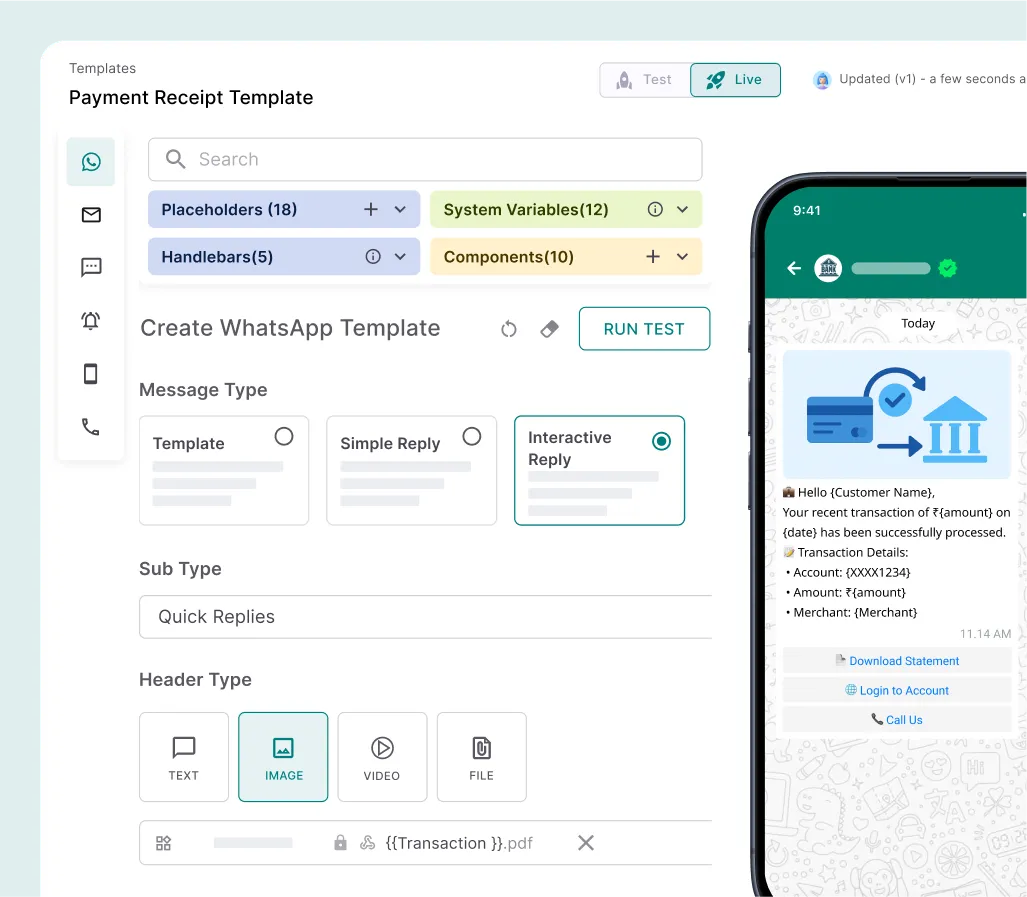
The most powerful communication orchestrator
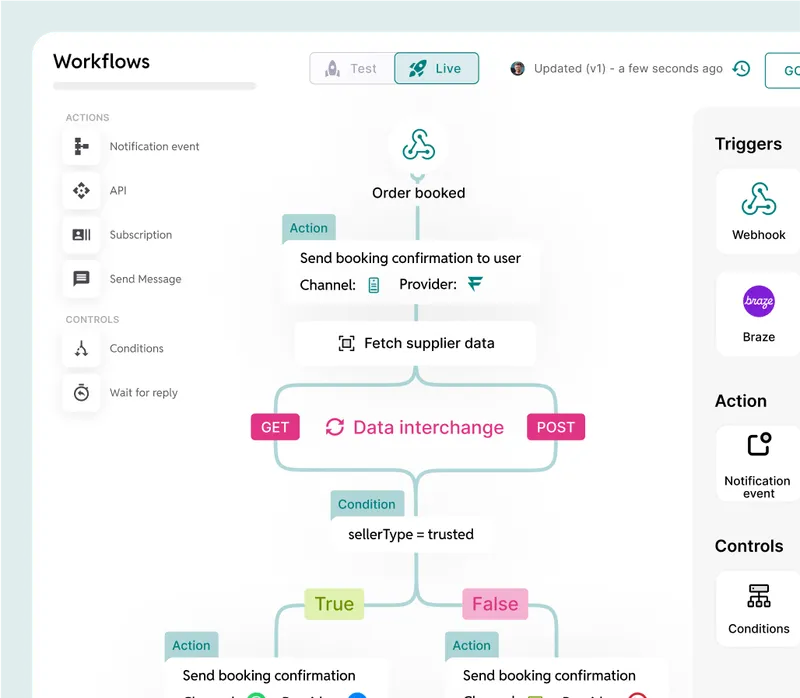
Build and manage complex routing protocols instantly
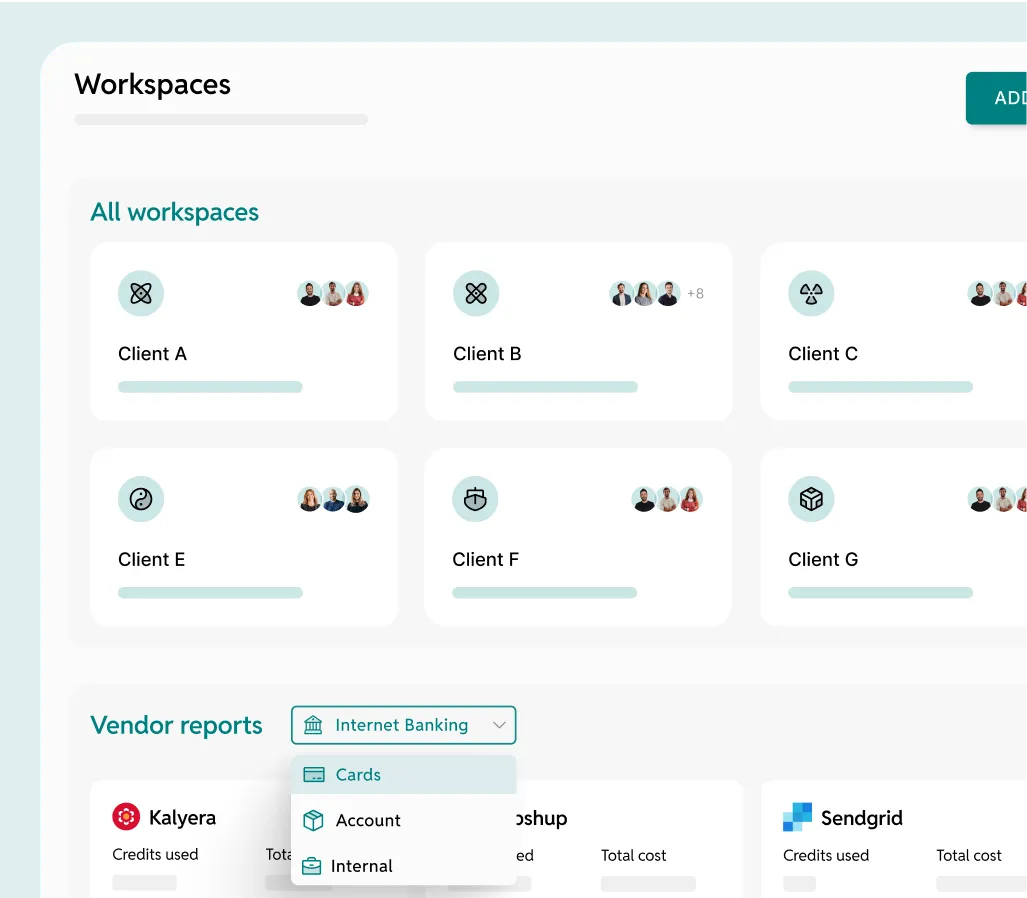
Manage distinct communication requirements better
Unified communication logs: complete visibility, effortless compliance


.webp)
.webp)
.svg)